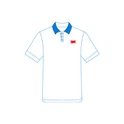
Why are polo shirts so expensive?
Introduction:
Polo shirts have been a popular choice of clothing for people of all ages and backgrounds for many years. From athletes and students to professionals and fashion enthusiasts, these shirts have become a staple in wardrobes around the world. However, one common question that often arises is why polo shirts are so expensive compared to other types of shirts. In this article, we will explore the various factors that contribute to the higher price tag attached to polo shirts, providing a deeper understanding of the economics, craftsmanship, and marketing strategies behind this apparel.
The Brand Value:
One of the primary reasons for the high cost of polo shirts is the power of branding. Established fashion brands that have built a solid reputation and loyal customer base can charge more for their products. Polo shirts from well-known fashion houses like Ralph Lauren, Lacoste, and Tommy Hilfiger often carry a significant price premium due to their brand value alone. Consumers are willing to pay more for a shirt simply because it carries the emblem or logo of a prestigious brand.
Quality Materials and Manufacturing:
Another contributing factor to the elevated price of polo shirts is the emphasis on the use of high-quality materials and manufacturing techniques. The most expensive polo shirts are often made from premium fabrics such as 100% pima cotton or mercerized cotton. These materials offer superior durability, comfort, and breathability compared to lower-grade alternatives. The manufacturing process for these shirts involves meticulous attention to detail, including intricate stitching, reinforcing areas prone to wear, and ensuring a perfect fit. This level of craftsmanship drives up the cost of production, ultimately impacting the retail price.
Design and Customization:
Polo shirts often feature distinctive designs, patterns, and colors that require the expertise of fashion designers. The design process involves creating unique prints, selecting complementary color schemes, and incorporating various aesthetic elements. This creative input contributes to the higher cost of polo shirts, especially when the designers are renowned in the fashion industry. Furthermore, many brands offer customization options, where customers can choose specific colors, logos, or monograms, making the shirt more personalized and exclusive. This additional level of customization can significantly increase the price of the shirt.
Distribution and Retail Costs:
The distribution and retail costs associated with polo shirts also play a role in their expensive price tags. These shirts often go through a complex supply chain involving designers, manufacturers, distributors, and retailers. Each entity involved in the distribution process incurs costs, including transportation, storage, marketing, and overhead expenses. As a result, these costs are factored into the final retail price of the polo shirt. Luxury boutiques and high-end department stores also tend to have higher markups, resulting in higher retail prices for the consumers.
Marketing and Advertising:
Promoting and marketing polo shirts require significant investments in advertising, celebrity endorsements, and sponsorship deals. Fashion brands spend substantial amounts of money on marketing campaigns to create brand awareness, build a desirable image, and associate their products with a certain lifestyle or social class. These marketing expenses are ultimately borne by the consumers, contributing to the higher prices of polo shirts as a means of recouping the investment.
Exclusive and Limited Editions:
Some polo shirts are released as limited editions, collaborations, or exclusive collections. These releases often feature unique designs, additional signatures, or rare materials, making them highly sought after by collectors and fashion enthusiasts. By manufacturing limited quantities, brands can create a sense of exclusivity and scarcity, allowing them to demand a higher price. The rarity and uniqueness of these polo shirts justify the premium price they command.
Perception of Luxury:
Finally, the price of polo shirts is also influenced by the perception of luxury. For many consumers, the high cost of these shirts signifies prestige, exclusivity, and status. Wearing a polo shirt from a high-end brand is seen as a symbol of wealth and success. This perception drives the demand for these shirts, allowing fashion brands to continue charging premium prices.
Conclusion:
In conclusion, several factors contribute to why polo shirts are so expensive. The power of branding, the use of high-quality materials, intricate manufacturing processes, design customization options, distribution and retail costs, marketing expenses, exclusivity, and the perception of luxury all play a role in determining the price of these shirts. Understanding the economics and dynamics behind the manufacturing and marketing of polo shirts can provide valuable insights into the fashion industry and help consumers make informed purchasing decisions.